Product Development · 3 min read · Buyer questions: Q0033, Q0037, Q0122
What to Check Before Approving a Custom Sportswear Sample
Define what the sample is meant to prove, inspect it against controlled files and record every open point before releasing bulk production.
The decision in one paragraph
Approve a custom sportswear sample against a version-controlled specification, not memory. Check identity, fabric reference, measurements, construction, artwork, colour, labels and the agreed after-care review. State what the sample does not represent before authorising bulk production.
Name the sample before you approve it
A fit sample, artwork sample, development sample and pre-production sample answer different questions. Write the purpose at the top of the approval form. If temporary fabric, trims or print are used, list them as deviations rather than allowing the sample to imply a complete production standard.
The buyer should know whether the sample is intended to approve shape, measurements, colour direction, artwork, construction or the complete production combination.
Prepare one approval pack
Keep the physical or controlled visual reference together with the final files. If comments are spread across email, messaging and marked photographs, consolidate them into one approval version before the supplier acts.
- Sample identifier and date received
- Technical pack and measurement-sheet version
- Fabric, colour and trim references
- Artwork file, scale and placement version
- Label and packaging scope
- Care or test procedure used
- Open points, deviations and required corrections
Check the sample in a repeatable order
| Area | Check | Record |
|---|---|---|
| Identity | Style, colourway, size and sample purpose | Sample ID and file version |
| Measurements | Named points using one method | Actual result, tolerance and disposition |
| Construction | Seams, edges, panels, closures and symmetry | Photos and issue location |
| Artwork | Scale, placement, spelling, numbers and small detail | Approved artwork and physical dimensions |
| Material | Reference, surface, stretch direction and shade | Swatch or supplier reference |
| Labels and packing | Content, position and included components | Approved layout and pack method |
Separate a wear or wash review from casual observation
If wash performance matters, define the care procedure, number of cycles, drying route, measurement points and acceptance criteria before washing. AATCC TM135 and ISO 5077 address dimensional change under specified washing and drying procedures; AATCC lists separate methods for colourfastness, appearance and other properties.
A single home wash without recorded conditions can reveal a problem, but it is not automatically a comparable test report. Record any twist, shrinkage, colour change, staining, print change, seam puckering or label damage that the project intends to assess.
Use approve, approve with conditions or revise
“Looks good” is not a production instruction. Use a clear disposition: approved for the stated scope; approved with listed production corrections that do not require another sample; or revise and resubmit. Identify who can release production.
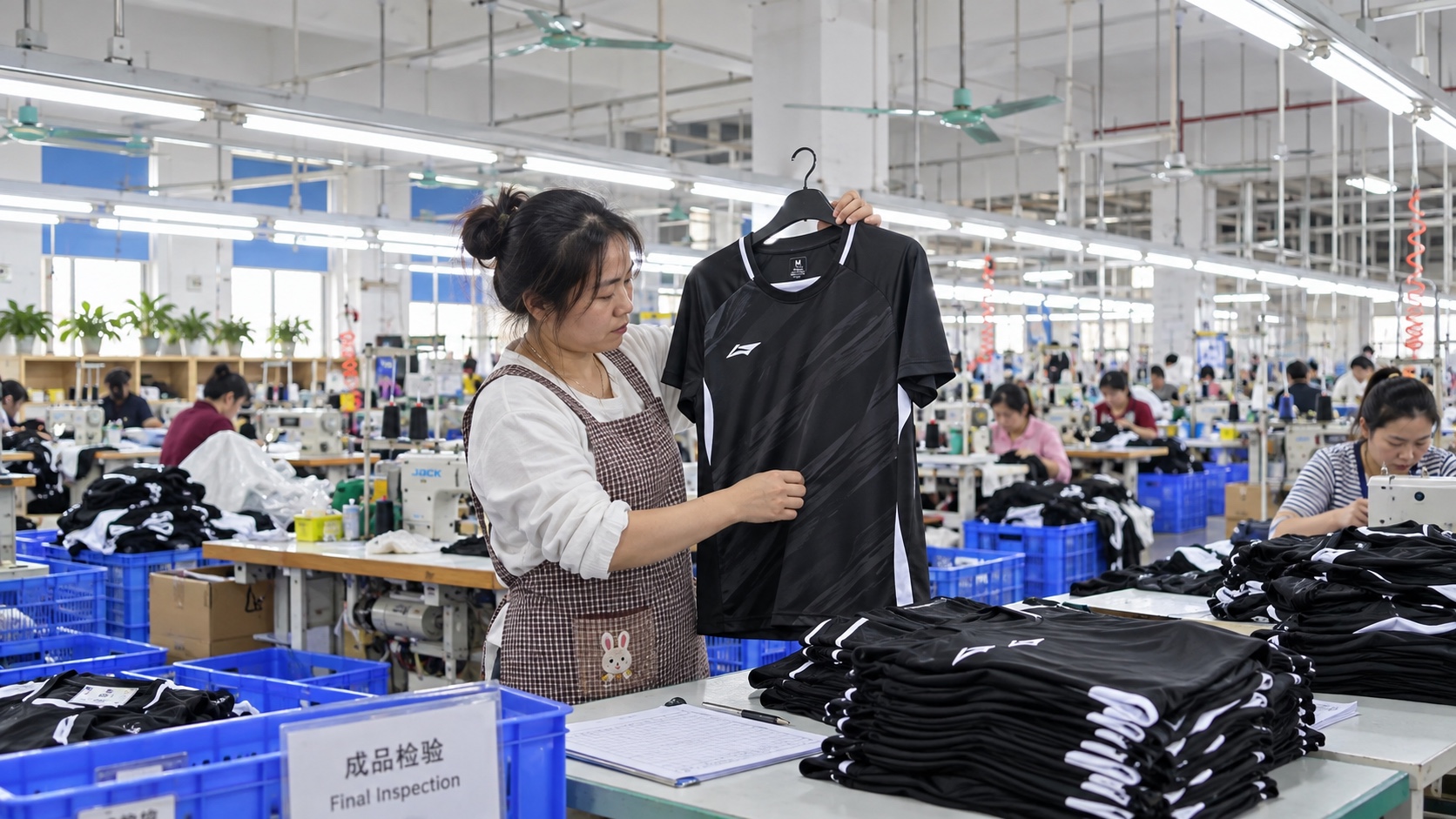
The bulk inspection can then compare finished jerseys with the approved sample and measurement sheet, but the inspection plan still needs its own sampling level, defect criteria and release authority.
What to confirm for your project
- Sample type and approval scope
- Final technical and artwork versions
- Measurements and agreed tolerances
- Written deviations from production materials or trims
- Defined wash or performance review where required
- Named release decision and open-point owner
Questions to carry into supplier review
- How many duplicate samples are needed for buyer and factory records?
- When does a fabric change require a new garment sample?
- Can production start while one packaging component remains open?
Standards and primary references
- AATCC TM135 — Dimensional Changes of Fabrics after Home Laundering
- AATCC standard test methods and procedures
- ISO 5077:2007 — Dimensional change in washing and drying
- ISO 8559-1:2017 — Anthropometric definitions for body measurement
These references support the comparison method. They do not certify a KITRAVA product, facility or test result.