Buying & Project Planning · 4 min read · Buyer questions: Q0083, Q0084, Q0086
How to Build a Race Pack Brief Before Requesting a Quote
List every product, quantity, size group, artwork version and packing rule before asking for one race-pack price. Then approve one complete packed configuration.
The decision in one paragraph
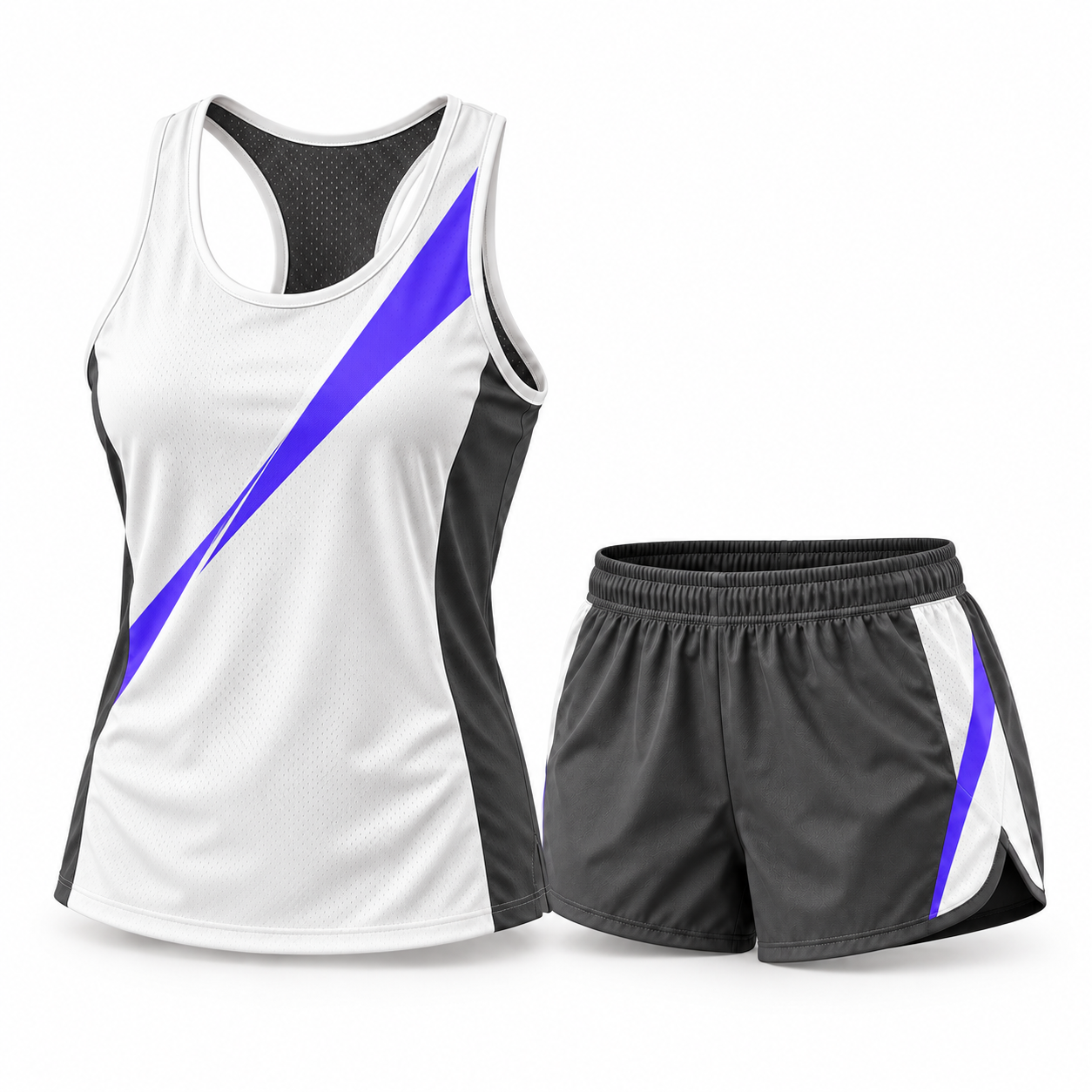
A race-pack brief should separate the participant, staff and sponsor product lines before bringing them together as one pack. Quote every item and quantity independently, define size and pickup grouping, then approve a complete packed sample or documented packing standard before assembly.
Treat the pack as a bill of materials, not one product
A race pack may combine garments, bib-related materials, bags, printed information, sponsor items and staff products. Give each line its own description, quantity, artwork owner, supplier status and packing role. A participant count is not automatically the quantity for every item.
Separate confirmed supply from candidate items. If several factories or event partners are involved, identify who delivers each item, where consolidation happens and who approves the combined pack.
Build the commercial brief before requesting price
| Brief field | What to record | Why it matters |
|---|---|---|
| Event and dates | Event date, required warehouse date and pack-assembly date | Planning must work backwards from arrival |
| Audience groups | Participants, volunteers, staff, VIPs and spares | Different groups may need different products |
| Product lines | Specification, artwork and quantity per item | Prevents one participant count being copied everywhere |
| Sizes | Forecast, registration cutoff and final size-file date | Controls garment production and sorting |
| Packing logic | By size, wave, location, team or individual | Changes labels, labour, privacy and data handling |
| Destination | Country, postcode, warehouse and appointment rules | Required for freight and final delivery planning |
Quote quantity scenarios without losing line-item control
If registration is still open, request price points at realistic participant thresholds and set one final-order deadline. Show which product quantities follow registration and which have fixed sponsor, staff or spare quantities.
Keep overage assumptions visible. A bag, shirt and printed insert may not share the same MOQ, waste allowance or final cutoff.
Design the sorting and data flow
Decide whether packs are grouped by shirt size, collection queue, start wave, location, team or named participant. Define the label fields and the date when the final data is frozen. Use only the personal information needed for fulfilment and agree who can access it.
The ability to pack by participant or queue must be confirmed for the exact project, including materials, labour, privacy handling and cost. A field in the enquiry form is a requirement request, not proof that the service is available.
Approve one complete packed configuration
A garment sample does not prove that the final pack is correctly assembled. Before full assembly, review one complete pack or a controlled packing standard showing every included item, orientation, folding, label, insert and outer presentation.
Record accepted substitutions and identify what happens when one item is late. Decide whether partial assembly, delayed insertion or split delivery is permitted before the deadline is at risk.
Release the pack with a reconciliation record
The final release should connect item receipts, rejected quantities, approved substitutions, packed totals, spare packs and remaining components. Carton labels should support the event’s warehouse and collection plan.
KITRAVA’s own-production focus covers football kits, basketball uniforms, training apparel and outerwear. Supporting race-pack products require a separate feasibility and responsibility review; the guide does not confirm that every illustrated item can be supplied.
What to confirm for your project
- Event, warehouse and assembly dates
- Bill of materials with quantity per item
- Size forecast and final-data deadline
- Artwork and sponsor approval owner
- Packing and label logic
- Complete packed-sample or packing-standard approval
- Consolidation, freight and exception owner
Questions to carry into supplier review
- How should spare shirts be allocated across sizes?
- Who owns approval when sponsor items arrive from another supplier?
- What should happen if one component misses the pack-assembly date?
Standards and primary references
- Adobe — Produce print-ready PDF files in InDesign
- GS1 General Specifications — symbol placement guidance
These references support the comparison method. They do not certify a KITRAVA product, facility or test result.